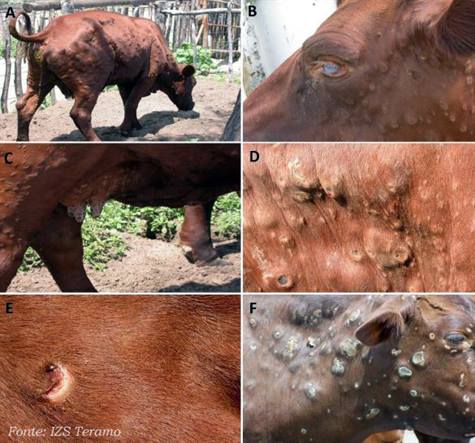
Bluetongue is a non-contagious infectious disease of ruminants, caused by an RNA virus of the Reoviridae family, genus Orbivirus (27 serotypes: currently, serotypes 8, 3, 4, and an unknown serotype have been isolated in Italy). It is transmitted by hematophagous insects (Culicoides), or from the mother to the fetus during pregnancy. The virus primarily affects sheep with severe clinical forms; in goats and cattle, the infection is normally asymptomatic. Clinical forms are sporadic and less severe, with reduced mortality rates. Infected cattle can maintain viremia for approximately 60 days, serving as an important reservoir and source for the spread of the disease.
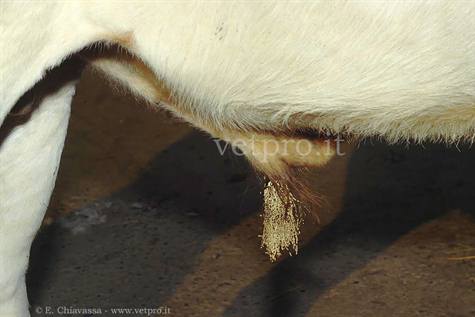
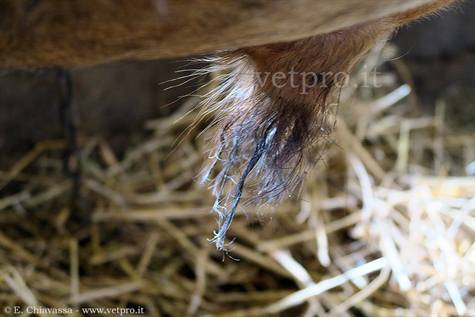
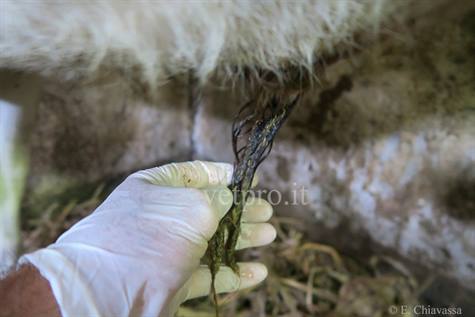
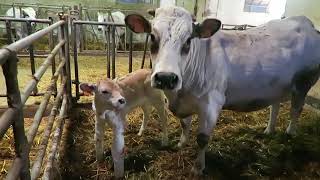
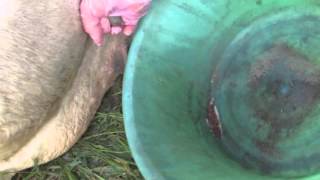
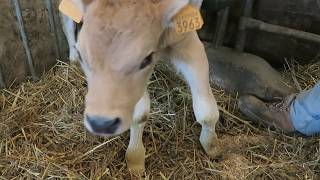
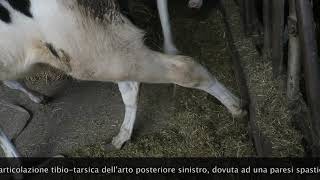
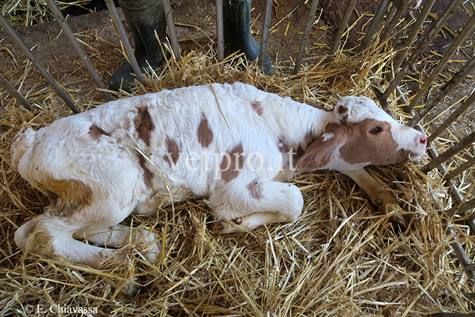
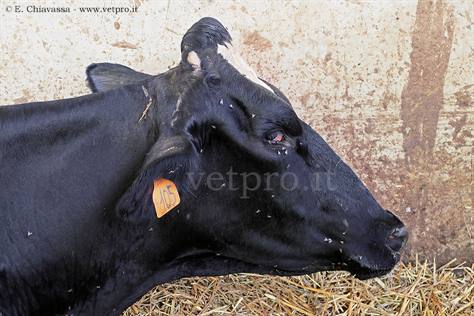
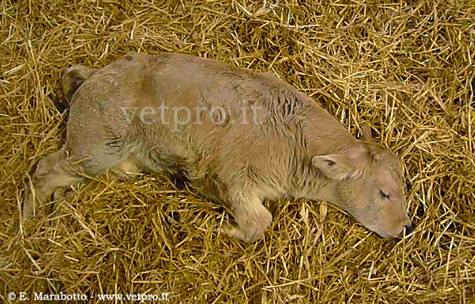
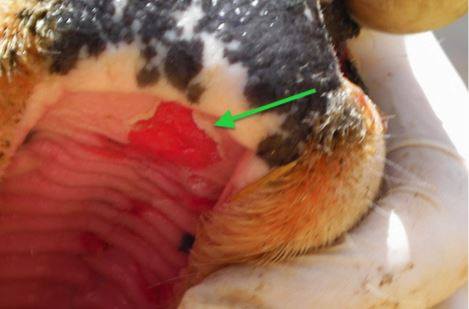
In this Holstein cow, the case history reports nonspecific symptoms including reduced feed intake, decreased rumination, a sharp drop in milk production, and hyperthermia. This was followed by the onset of hyperemia and erosions on the muzzle, mouth, eyes, and udder, complete cessation of feed intake, hypersalivation, lacrimation, and edema of the distal limbs (see following images).