Hemolytic anemia results from increased intravascular destruction of red blood cells (hemolysis), which can manifest in clinical or subclinical forms, with an acute, subacute, or chronic character. It can affect individual animals or multiple animals simultaneously.
The causes can be multiple:
– osmotic causes (excessive H2O ingestion)
– infectious causes (Anaplasma, Leptospira, Clostridium haemolyticum)
– parasitic causes (Babesia)
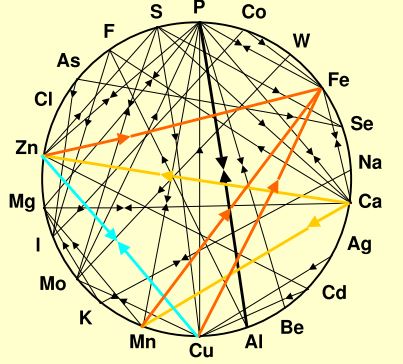
– toxic causes (copper, cabbage, onion, rapeseed, beet leaves)
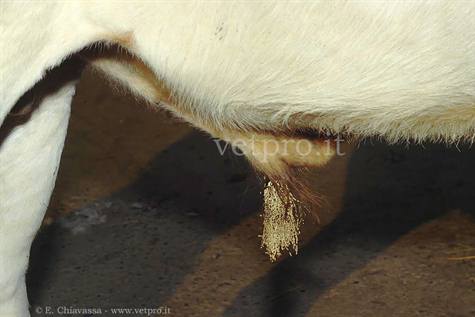
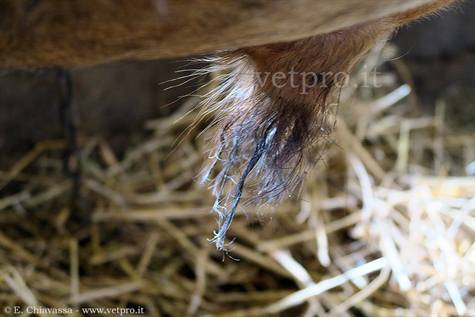
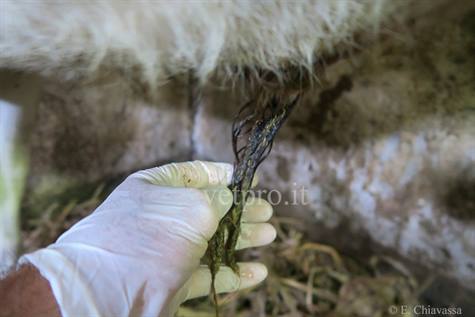
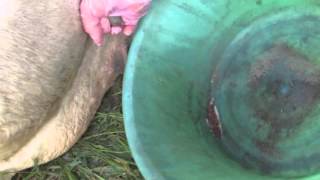
Symptoms: pallor of non-pigmented skin and mucous membranes, associated with more or less evident jaundice. Tachycardia and tachypnea, weakness, fever, maldigestion, and hemoglobinuria, which are also more or less evident depending on the causes.
A differential diagnosis with hepatocellular and mechanical jaundice is necessary.
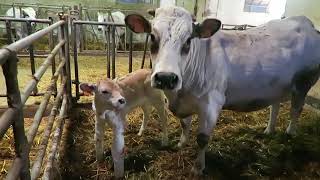
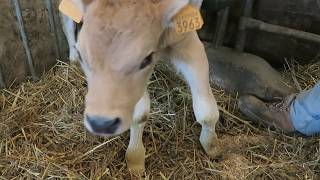
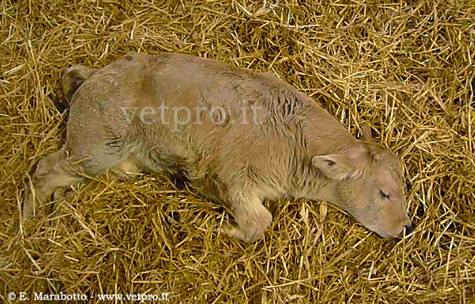
In this case, a Piedmontese calf with conjunctival pallor associated with jaundice and hemoglobinuria.