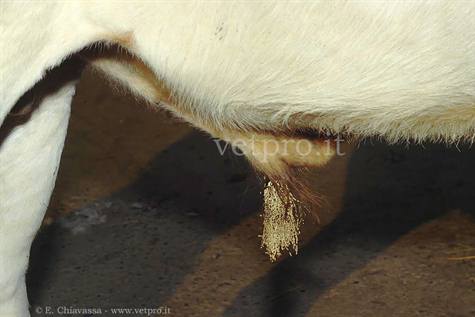
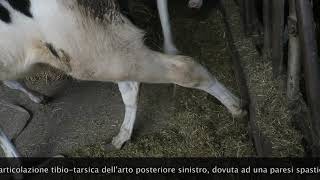
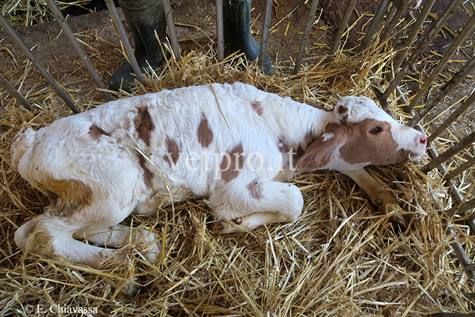
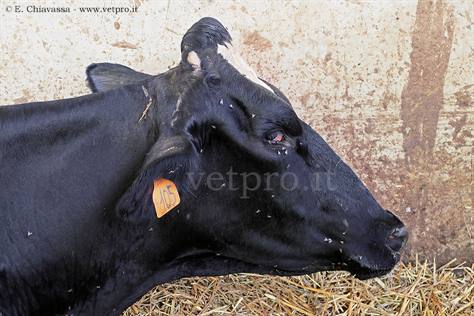
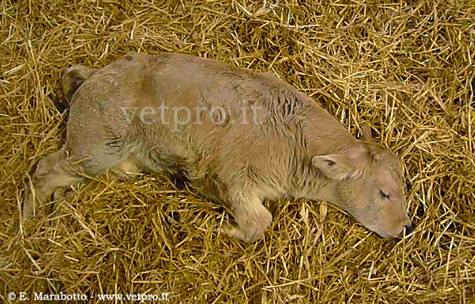
This condition generally affects animals over 4 years of age and is characterized by tonic-clonic spasms in the hind limbs, which worsen over time. Unlike spastic paresis, these contractions are not permanent; they initially occur when the animal stands up and last for a few seconds or minutes before disappearing.
During the contractions, the hind limbs are extended backward and spread apart, and the animal tends to shift its weight onto the forelimbs.
Although the etiology is not certain, it is believed that this symptomatology may be based on a hereditary predisposition with recessive transmission, but inflammatory processes affecting the vertebrae and lumbosacral nerves may also play a role.
There are no effective treatments, so as symptoms worsen, it is advisable to cull the animal.