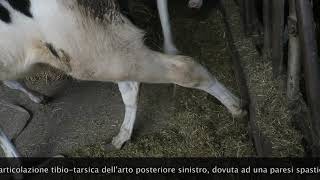
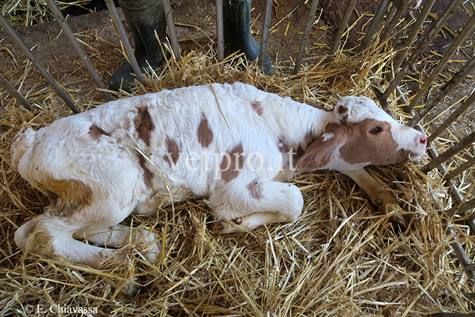
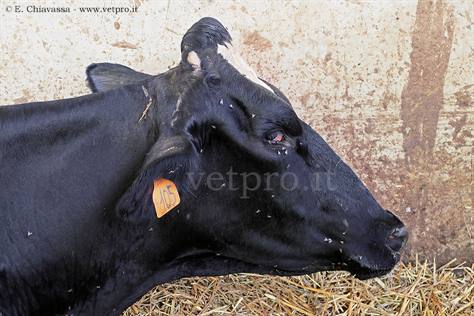
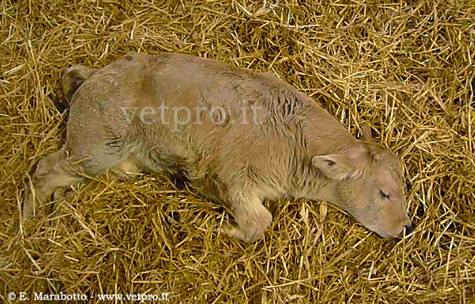
The animal, while standing, exhibits thoracolumbar kyphosis and severe lumbosacral lordosis, likely of traumatic origin. The hind limbs are kept permanently extended backward and do not show tonic-clonic spasms, unlike in paramyoclonus. Pathologies at the level of the claws have been ruled out.
The symptoms are likely the expression of a spondylopathy at the level of the lumbosacral vertebrae, with a possible constrictive effect on the roots of the spinal nerves (femoral nerve, obturator nerve, sciatic or ischiatic plexus). The sciatic plexus originates from the fusion of the L6-S2 nerves (see the following image).
Symptoms and motor difficulties may vary depending on which spinal branches are most involved.
There can be multiple triggers for similar pathological situations: traumatic causes, bacterial localization from hematogenous infections, chronic aseptic inflammatory processes, congenital malformations, or osteodystrophies. Treatments based on NSAIDs and vitamin B1 do not produce permanent beneficial effects.